
We currently grow 18 hectares of short rotation coppice (willow) to fuel our biomass boiler, which heats all the farm and venue buildings at Lodge Farm. These willow trees will be in the ground for 25-30 years, and will be harvested every 3-5 years.
During that time, they will absorb more carbon dioxide than they will emit when burnt - and if you would like to find out more about how this carbon offset is quantified (and support future planting) you can do so via the not-profit organisation MyCarbonPlan.
Willow is not only a high carbon capture crop, but it also provides a fantastic habitat for many different species which we are keen to encourage on our farm - and so we are eager to expand our planting, and alongside project partners Willow Energy and Cambridge Eco we recently secured government-backed ADOPT funding to explore alternative end uses for the crop.
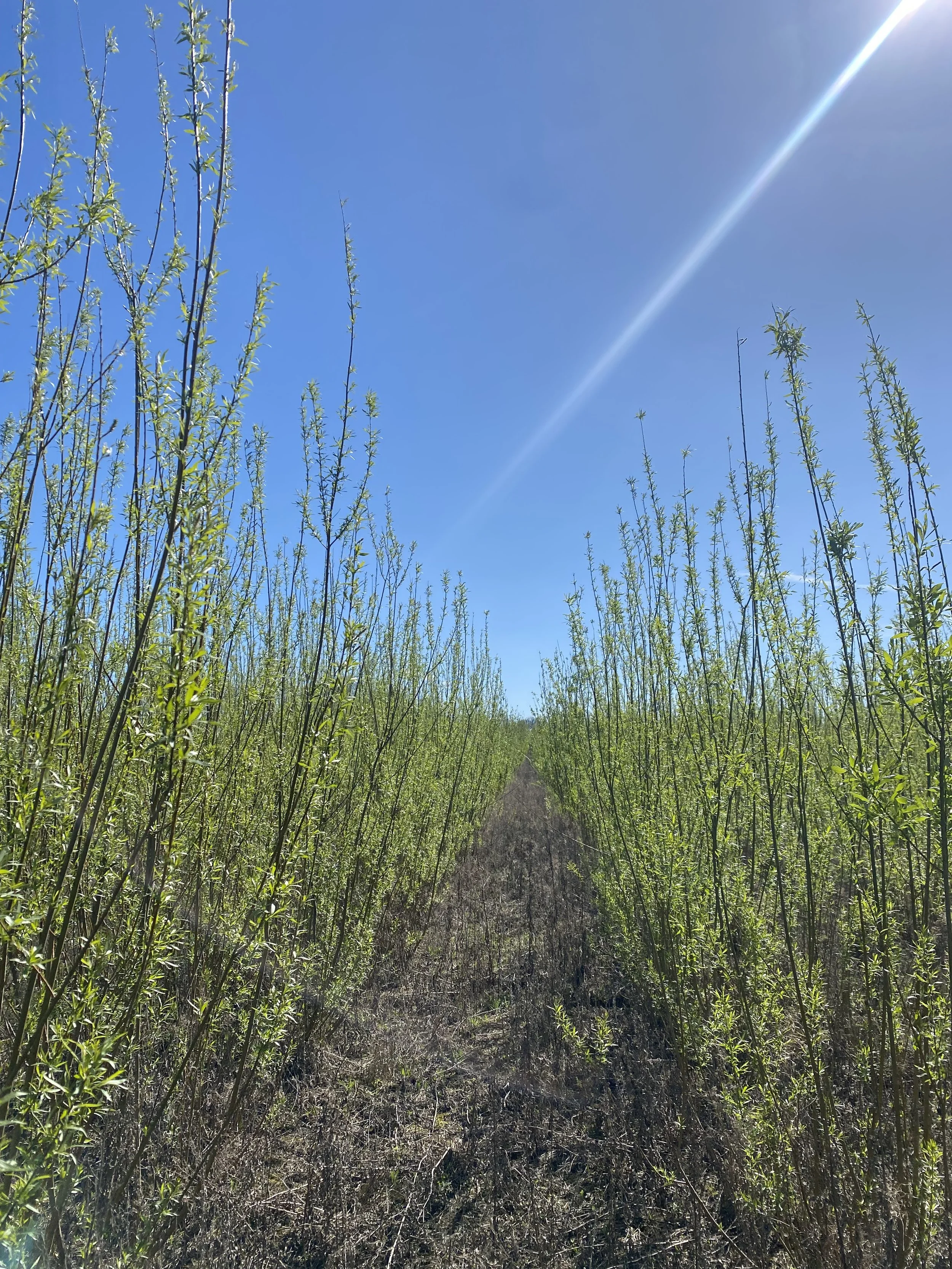
From late 2025 to mid-2027, we will be trialling producing different compost mixes on our farm using willow (as a high carbon substrate) combined with high nitrogen organic matter (either digestate or grass ley cuttings) to explore whether we can provide a non-peat, non-coir willlow-based compost for use in the commercial horticulture sector.
We'll be posting updates throughout the project on this page, and you can also follow our day to day progress via Instagram @lodgefarmessex.
Trial 1 Update
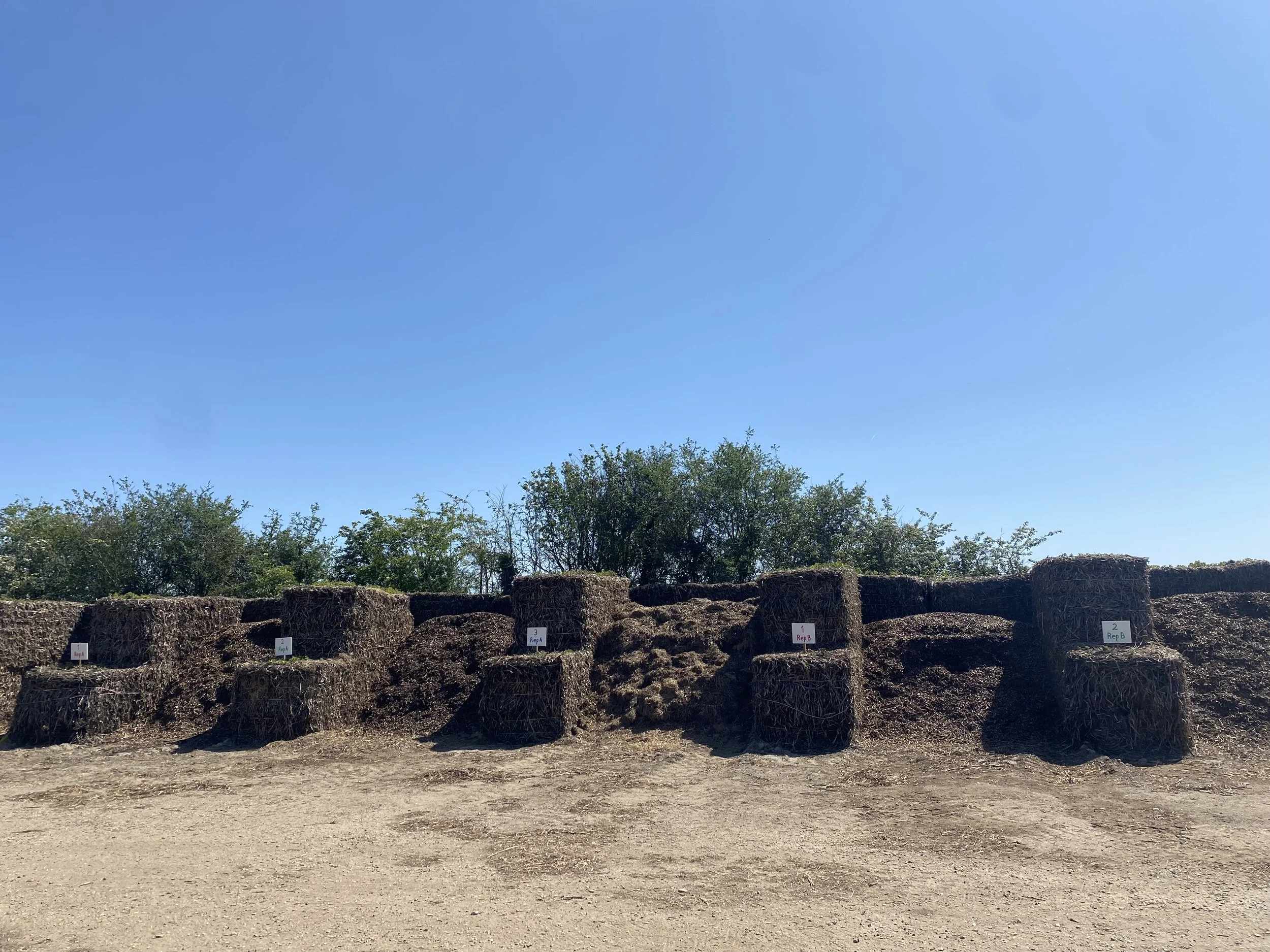
Our first trial, testing different ratios of willow chip combined with digestate fibre, digestate liquid and hay, was set up in January 2026
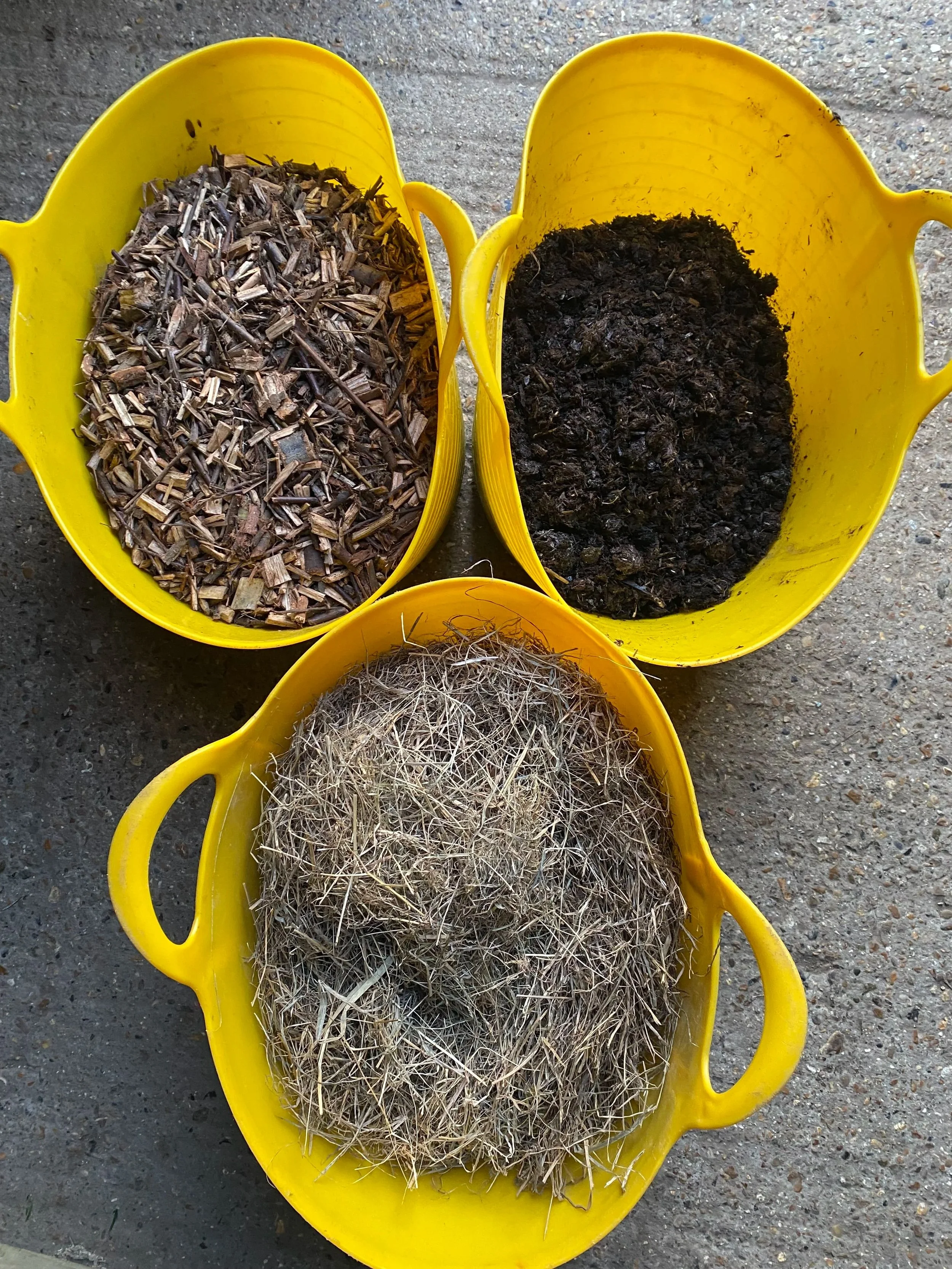
Trial 1: Willow chip plus digestate fibre, digestate liquid, and hay
Using willow chip harvested on farm in December 2025, we set up our first composting trial in January 2026.
This trial consists of two replicates of the following three compost mixes:
Willow chip plus digestate fibre
Willow chip plus digestate fibre and digestate liquid
Willow chip plus digestate fibre and hay
Over the next six months, we will be monitoring the temperature and moisture of each mix, turning the piles when the temperature drops, and watering when they get too dry.
When the feedstocks have fully decomposed and the compost resembles a growing medium, we will test the properties of the end product using lab-based industry standard methodology, and onsite germination tests.
On Farm Event - Lodge Farm
June 2026
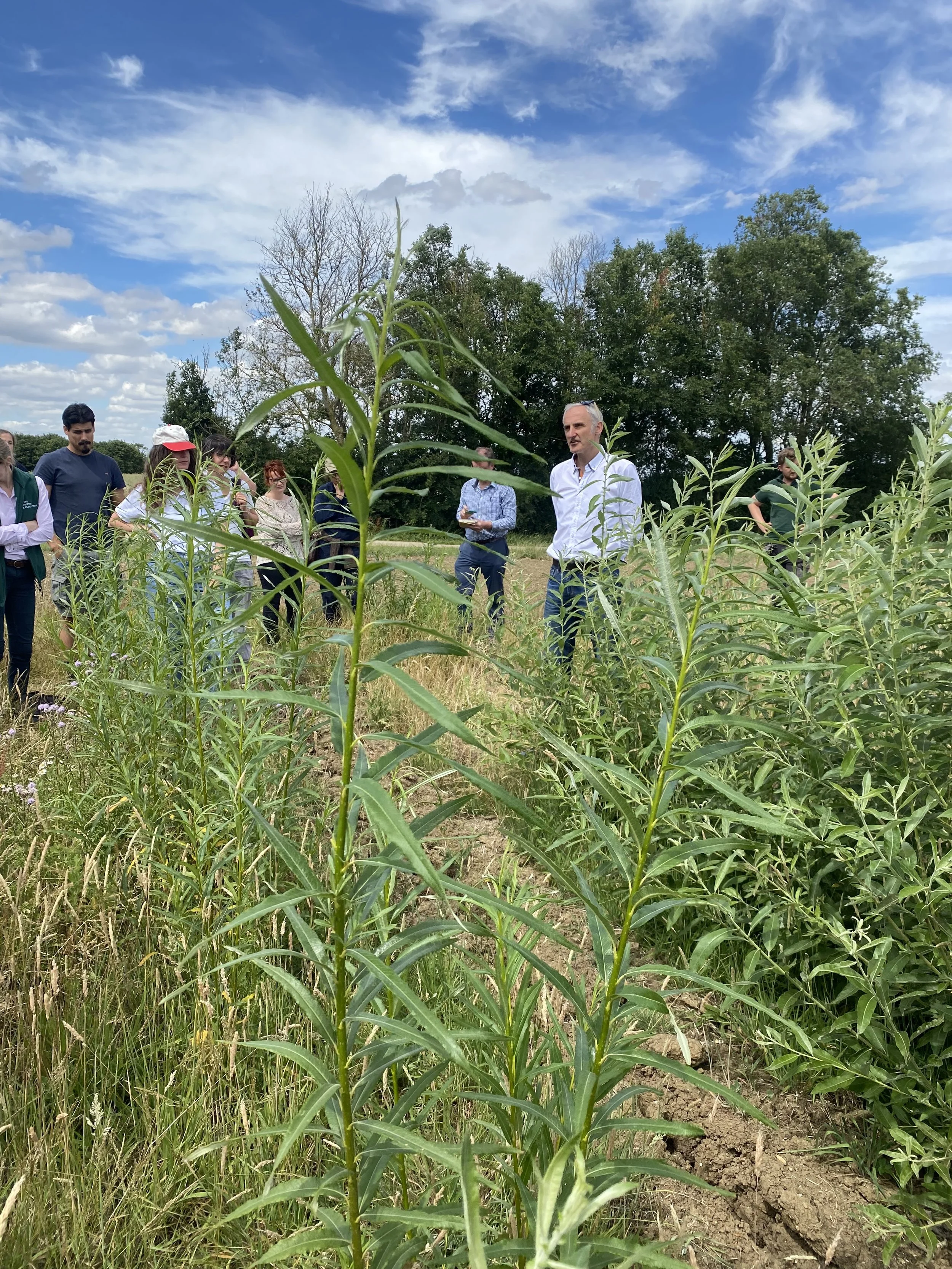
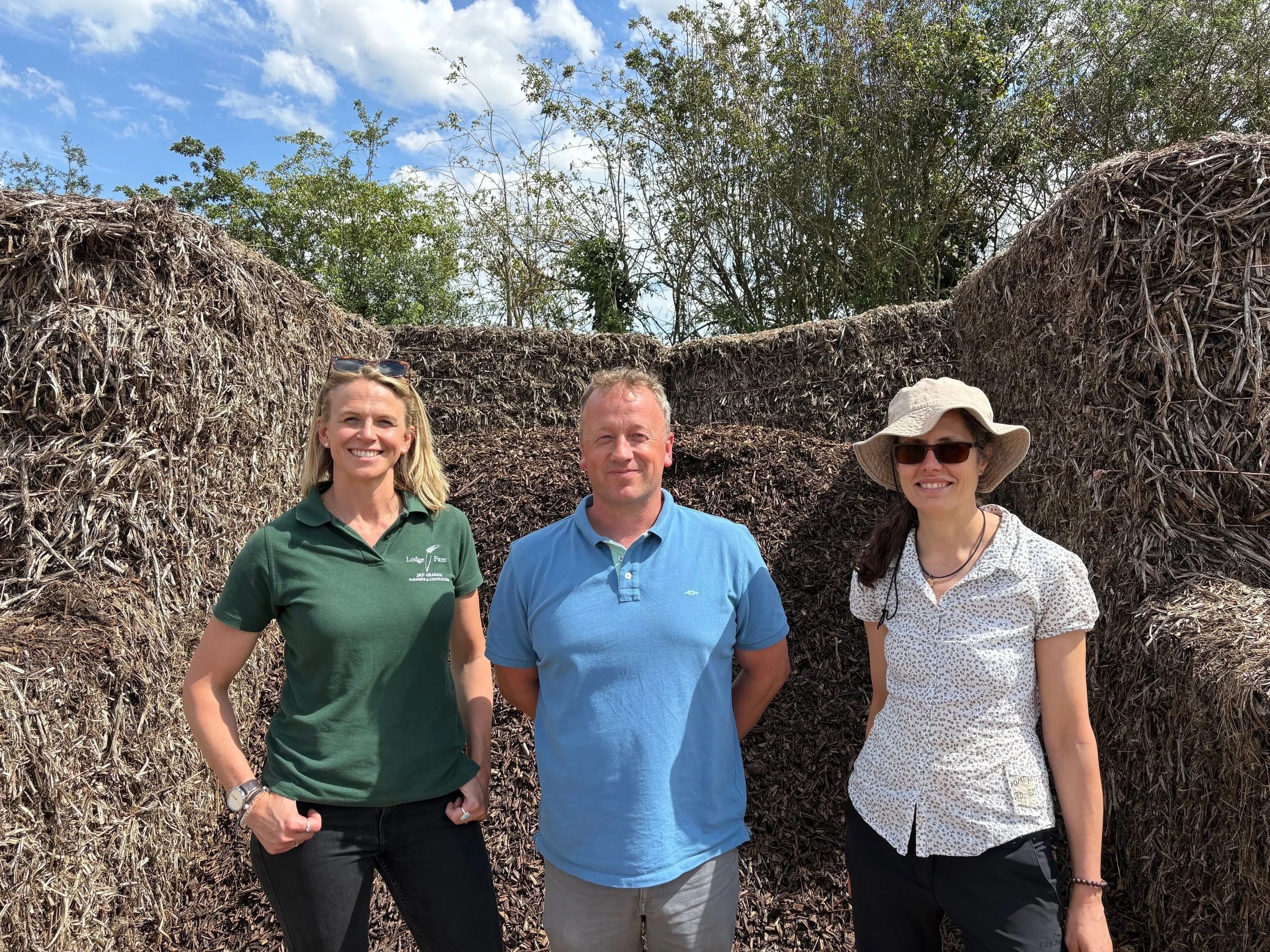
In late June 2026, we hosted a project update event at Lodge Farm, to showcase the willow compost trials and give attendees a tour of the willow planting on farm.
We heard talks from industry experts on the properties of willow, updates on new varieties, the wide-reaching benefits of the crop and its potential uses, and preliminary data on the first compost trial at Lodge Farm (using willow chip combined with digestate fibre/liquid and/or hay).
The agenda for the day, plus slides from all presentations, can be accessed here.